It is 2:15 PM on a Tuesday in Sydney’s Barangaroo. You are staring at a complex financial model, a creative deck, or lines of code, and your brain simply refuses to engage. Words blur, working memory stutters, and a low-grade mental friction sets in.
This is brain fog: the pervasive, modern sensation of cognitive lethargy, reduced mental acuity, and chronic executive fatigue.
For years, the standard Australian response has been predictable: walk down to the nearest café for a third flat white, or down an energy drink packed with synthetic taurine and refined sugar. Yet, stimulants do not cure brain fog. They merely borrow biological energy from tomorrow to mask exhaustion today, triggering a spike in serum cortisol, elevated blood pressure, and an inevitable late-afternoon crash.
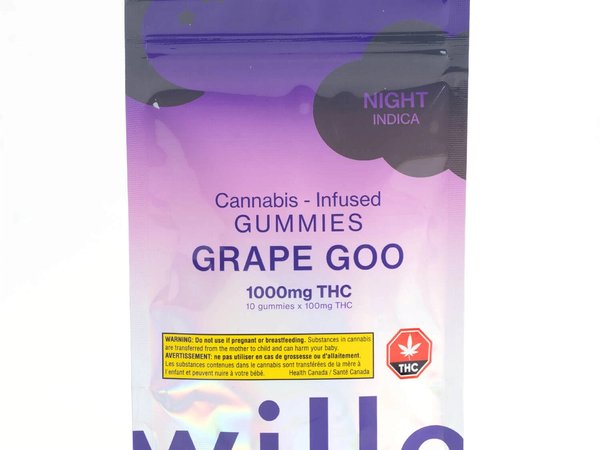
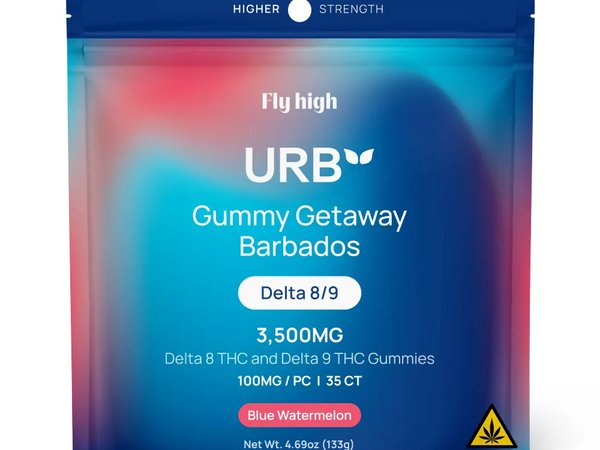
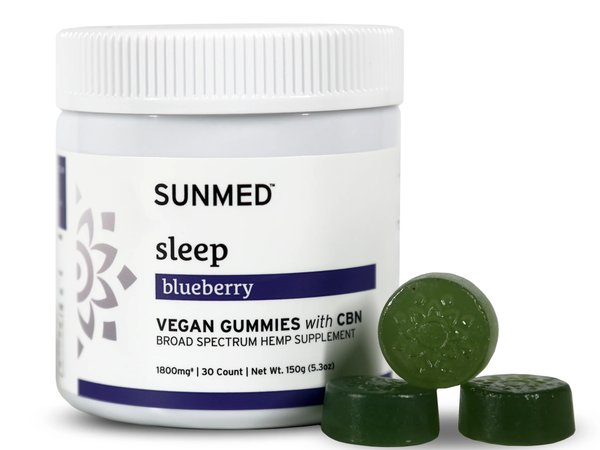
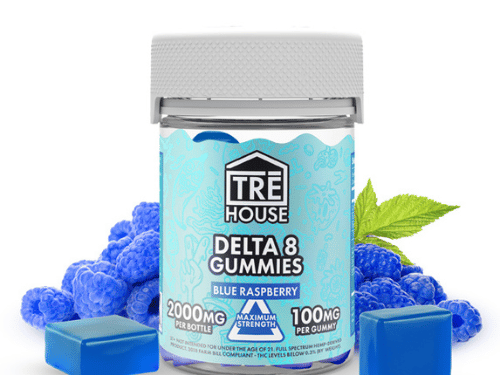
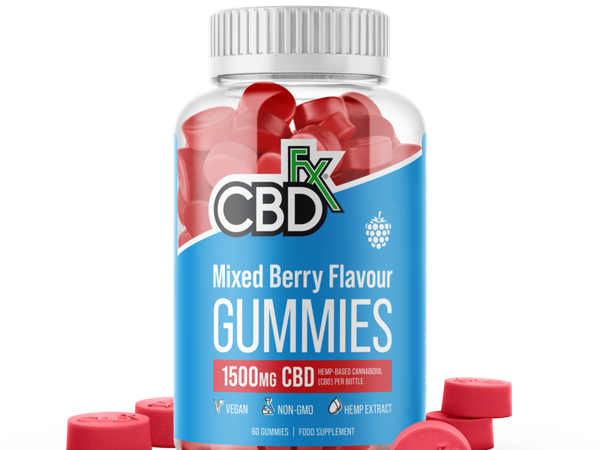
In response, a growing demographic of Australian founders, executives, software engineers, and creative directors are abandoning stimulant-driven cycles. Instead, they are turning toward a more sophisticated neurochemical strategy: the synergistic pairing of functional mushrooms with precision-dosed cannabinoids, delivered via modern chewable formats.
By combining the neuroplasticity-enhancing properties of functional fungi with the nervous-system-regulating power of phytocannabinoids, this targeted protocol offers a path out of cognitive friction and into flow state—that coveted neurological zone of effortless, high-output focus.
Here is the science behind how this stack works, why chewable ingestion matters, and how Australian professionals are deploying it.
The Neurobiology of the Fog: Why Your Brain Shuts Down
To eliminate brain fog, you must first understand what causes it. Brain fog is not an imagined psychological state; it is a measurable neuro-inflammatory and metabolic condition driven by three primary mechanisms:
1. Neuro-Inflammation and Microglial Activation
Chronic psychological stress, environmental toxins, poor sleep, and ultra-processed diets stimulate the brain’s resident immune cells: the microglia. When chronically activated, microglia release pro-inflammatory cytokines (such as IL-1β, IL-6, and TNF-α). This low-grade neuro-inflammation disrupts synaptic transmission, slowing the speed at which neurons communicate across the prefrontal cortex.
2. Cerebral ATP Deficits
The human brain represents roughly 2% of total body mass yet consumes approximately 20% of resting metabolic energy. This energy is generated in the mitochondria as adenosine triphosphate (ATP). Under conditions of prolonged mental strain, cellular energy expenditure outpaces replenishment, resulting in a cerebral energy deficit that manifests as mental fatigue.
3. Hyperactivity of the Default Mode Network (DMN)
The Default Mode Network is the neurological circuit responsible for self-referential thought, rumination, anxiety, and mental time travel. When the DMN is overactive, your attention is continuously pulled away from the present task, fracturing focus into scattered, erratic loops of worry and distraction.
Traditional stimulants like caffeine only exacerbate this issue by triggering the sympathetic nervous system’s fight-or-flight response. To shift into deep focus, you do not need more adrenaline; you need neuroprotection, mitochondrial energy, and transient hypofrontality.
Enter the Flow State: The Neurochemistry of Pure Immersion
Coined by psychologist Mihaly Csikszentmihalyi and advanced by modern neuroscientists, the flow state is an optimal state of consciousness where you feel your best and perform your best.
Neurologically, flow is characterised by:
Transient Hypofrontality: A temporary down-regulation of the prefrontal cortex’s hyper-critical, ruminative centres (the DMN). The inner critic goes silent, self-doubt disappears, and cognitive processing shifts into fluid, intuitive execution.
The Neurochemical Cascade: The brain releases a precise cocktail of five performance-enhancing neurochemicals: dopamine (pattern recognition and motivation), norepinephrine (arousal and target acquisition), serotonin (contentment and emotional resilience), endorphins (pain dampening), and crucially, anandamide (divergent thinking and lateral problem-solving).
Unlocking this state on command requires giving the brain the biological tools to manufacture this exact environment. This is where functional mycology and cannabinoid science intersect.
Pillar 1: The Fungal Engine (Lion's Mane & Cordyceps)
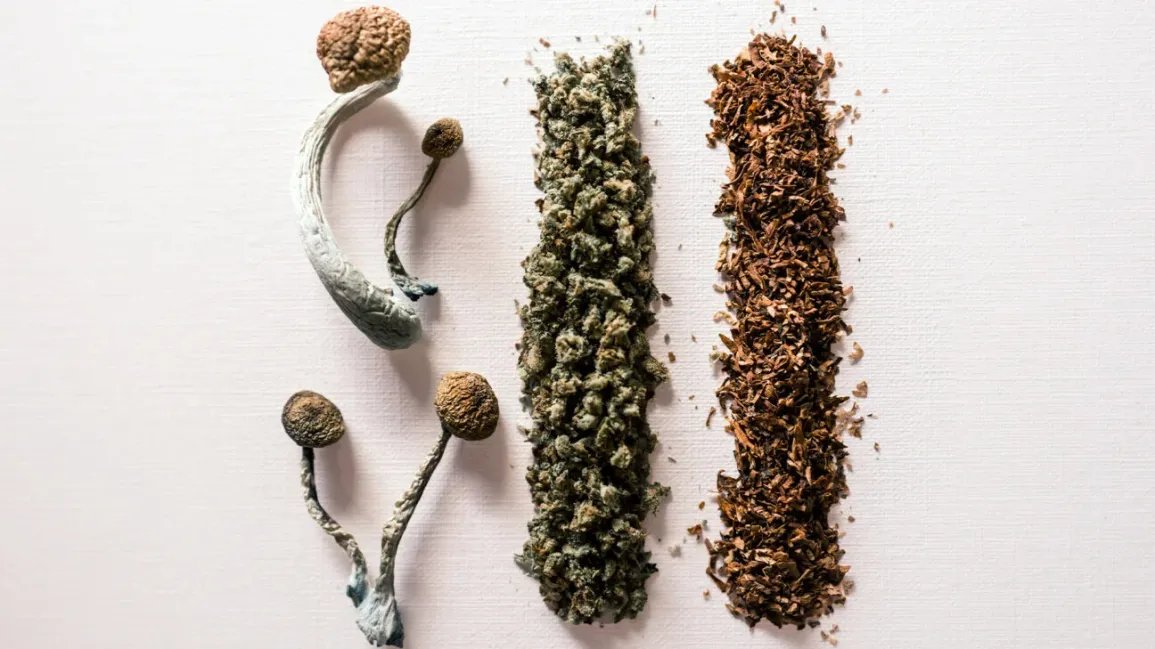
Functional mushrooms are nutritional powerhouses that contain active biomolecules capable of crossing the blood-brain barrier to directly influence brain physiology.
Lion’s Mane (Hericium erinaceus): The Neuroplasticity Catalyst
Lion’s Mane is the undisputed cornerstone of botanical nootropics. Its power comes from two isolated families of compounds: hericenones (found in the fruiting body) and erinacines (concentrated in the mycelium).
Clinical research shows that these compounds stimulate the endogenous synthesis of Nerve Growth Factor (NGF) and Brain-Derived Neurotrophic Factor (BDNF).
NGF is essential for the maintenance, repair, and survival of cholinergic neurons—the neural infrastructure responsible for memory encoding, attention, and executive reasoning.
By promoting neurogenesis and maintaining healthy myelin sheaths, Lion’s Mane acts as a structural repair protocol for an overworked nervous system, clearing mental haze and restoring rapid cognitive processing.
Cordyceps (Cordyceps militaris): The Cerebral Energy Booster
While Lion's Mane constructs the neural tracks, Cordyceps powers the train.
Cordyceps contains high concentrations of cordycepin (3'-deoxyadenosine) and adenosine derivatives. Research demonstrates that cordycepin upregulates the activity of AMP-activated protein kinase (AMPK), optimising cellular oxygen utilisation and accelerating the synthesis of ATP.
By directly supporting mitochondrial energy output without taxing the adrenal glands, Cordyceps delivers smooth, sustained mental stamina that keeps computational fatigue at bay across long work sessions.
Pillar 2: The Cannabinoid Architecture (CBD, THCA, and Micro-Dosing)
While functional fungi upgrade cellular energy and neuroplasticity, cannabinoids act as master regulators of the Endocannabinoid System (ECS)—the body's central homeostatic network.
Cannabidiol (CBD): The Autonomic Dampener and Anandamide Elevater
The neurochemical superstar of the flow state is anandamide, famously named after the Sanskrit word ananda, meaning bliss. Anandamide binds to CB1 receptors to promote lateral thinking, calm focus, and creative synthesis.
Normally, anandamide is rapidly broken down by the enzyme fatty acid amide hydrolase (FAAH).
CBD naturally inhibits the FAAH enzyme, allowing your endogenous anandamide to circulate longer in the synaptic cleft.
Concurrently, CBD acts as an agonist at the 5-HT1A serotonin receptor, dampening amygdala reactivity and keeping work-related stress from pulling you out of deep focus.
Tetrahydrocannabinolic Acid (THCA): The Non-Psychoactive Anti-Inflammatory
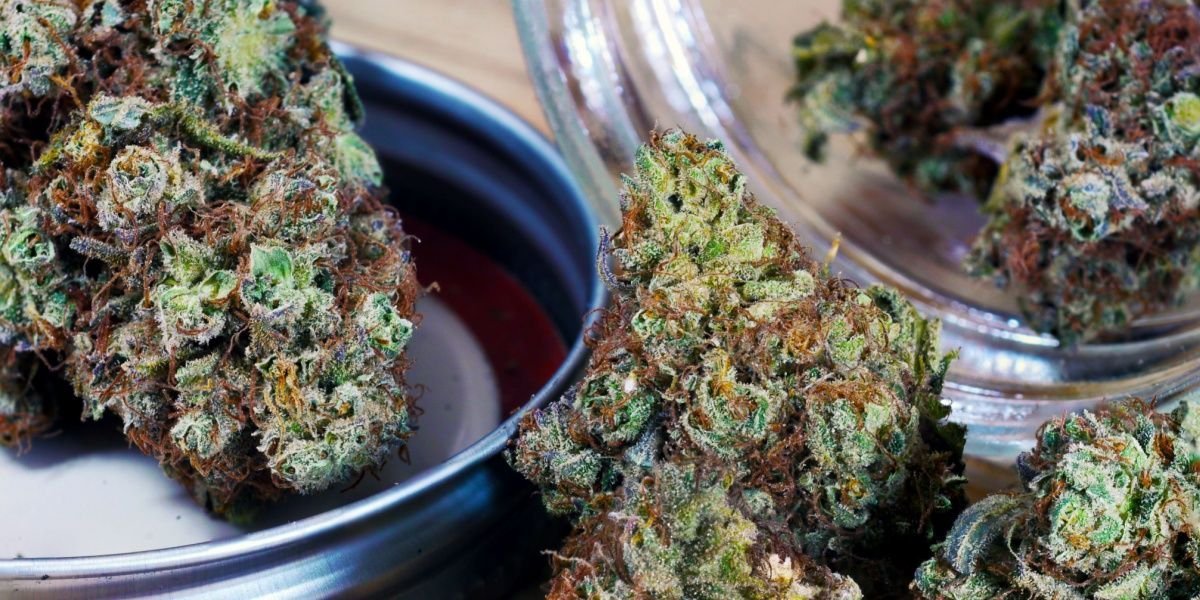
THCA is the raw, unheated precursor to THC found naturally in the living cannabis plant. Because it retains an extra carboxylic acid group, THCA does not bind to CB1 receptors in a way that causes intoxication or impairment.
Instead, pharmacology demonstrates that THCA is a remarkably potent neuroprotective and anti-inflammatory agent. It modulates cyclooxygenase enzymes (COX-1 and COX-2) and suppresses inflammatory cytokines that trigger cerebral microglial activation.
For the professional who requires profound neuro-inflammatory reduction without any perceptual distortion, THCA provides an uncompromising, crystal-clear cognitive shield.
Micro-Dosed THC / Delta 8: The Catalyst for Transient Hypofrontality
While high doses of THC impair short-term working memory, sub-perceptual micro-doses (1 mg to 2.5 mg) produce a very different biological response.
Micro-dosed THC acts as a gentle partial agonist at central CB1 receptors. Neurological imaging suggests that low-dose cannabinoid receptor activation can help induce the very transient hypofrontality required for flow. It quietens the ruminative chatter of the Default Mode Network, silencing internal micro-distractions and allowing unbroken immersion in the task at hand.
The Entourage Effect 2.0: Why Mushrooms and Cannabinoids Synergise
When functional mushrooms and cannabinoids are ingested together, their bio-actives follow complementary physiological pathways:
Simultaneous Neuroprotection and Modulation: Lion’s Mane triggers the production of NGF to stimulate new neuronal connections, while CBD and THCA reduce neuro-inflammation, creating a protected biological environment for those fresh synaptic connections to thrive.
Mitochondrial Endurance Meets Adrenal Stability: Cordyceps charges cerebral ATP production, while CBD buffers the autonomic stress response, giving you physical energy and alertness without the physical tension, jaw clenching, or shallow breathing associated with caffeine.
Deep Work State Trigger: The combination of elevated anandamide (via CBD), mitochondrial stamina (via Cordyceps), and structural neurotrophic stimulation (via Lion’s Mane) directly aligns with the neurological conditions needed for flow state onset.
The Chewable Format: Why Precision Ingestion Beats Capsules and Powders
Taking raw mushroom extracts and cannabinoids as dry pills or bitter drops poses practical problems. The transition to precision-formulated chewables solves several key pharmacokinetic challenges:
1. Dual-Route Bioavailability (Buccal + Enteric Absorption)
When you swallow an unchewed capsule, it travels down the oesophagus into the stomach, withstanding gastric acid before passing into the intestines and liver. This first-pass hepatic metabolism can degrade fragile active terpenes, polysaccharides, and cannabinoids.
A chewable gummy requires extensive mastication. As you chew:
Active compounds are ground into an emulsion with saliva.
Lipid-soluble molecules (like cannabinoids) and small bio-actives begin absorbing directly across the sublingual and buccal mucosa of your mouth.
This direct oral mucosal absorption bypasses immediate liver breakdown, providing a quicker and more consistent biological onset. The remainder is swallowed for sustained intestinal absorption, creating an ideal balance of fast activation and steady duration.
2. Protecting Fragile Raw Compounds
Formulating temperature-sensitive ingredients like THCA into gummies requires advanced low-temperature confectionery technology.
Standard gummy manufacturing boils mixtures well past 110°C—heat levels that instantly decarboxylate THCA into standard THC. Premium, high-performance formulations use vacuum-infused, low-heat setting processes to protect the molecular integrity of the raw carboxylic acid group, ensuring you receive true, non-psychoactive THCA.
3. Absolute Dosing Precision
Measuring liquid droppers or powdered scoops while at the office or on the road is clumsy, unhygienic, and wildly inconsistent. A pharmaceutical-grade gummy delivers an exact, laboratory-verified milligram payload down to the fraction of a milligram, removing the guesswork entirely.
The Daily Australian Flow Protocol
To transition seamlessly from morning fog to deep afternoon flow, timing your daily intake is critical. Here is an evidence-led daily protocol:
Phase 1: Morning Cognitive Priming (8:30 AM – 9:00 AM)
The Target: Activate neural plasticity, ignite mitochondrial ATP, clear baseline sleep inertia.
The Stack: Lion's Mane (500 mg–1000 mg extract) + Cordyceps (500 mg extract) + Broad-Spectrum CBD (10 mg–15 mg).
The Experience: Clean, jitter-free alertness. The caffeine crash is neutralised, and sensory input feels crisp and organised.
Phase 2: The Deep Work Ignition (11:30 AM – 1:30 PM)
The Target: Overcome task friction, induce transient hypofrontality, silence the internal critic.
The Stack: Raw THCA (10 mg) or a micro-dose of THC/Delta 8 (1 mg–2 mg), alongside a low-dose Lion's Mane top-up.
The Experience: Smooth transition into uninterrupted execution. Complex problem-solving becomes intuitive, distraction resistance peaks, and time perception compresses.
Phase 3: Down-Regulation and Recovery (5:30 PM – 7:00 PM)
The Target: Clear neuro-metabolic waste, down-regulate sympathetic tone, initiate structural physical recovery.
The Stack: Reishi mushroom extract (Ganoderma lucidum) + Full-Spectrum CBD (20 mg–30 mg).
The Experience: Deep physical relaxation, reduced cortisol levels, and an effortless transition away from the workday, preparing the brain for restorative slow-wave sleep.
Navigating the Australian Regulatory Framework
Deploying this protocol within Australia requires an understanding of domestic laws governing functional supplements and scheduled substances:
Functional Mushrooms (Lion’s Mane, Cordyceps, Reishi): These botanical extracts are classified under Food Standards Australia New Zealand (FSANZ) guidelines as foods or complementary therapeutic ingredients. They are 100% legal, non-scheduled, and widely accessible across the country.
Cannabinoids (CBD, THC, THCA, Delta 8): In Australia, cannabinoids are strictly scheduled medicines under the national Poisons Standard. Pure CBD is listed as Schedule 4 (Prescription Only), while THC, THCA, and broad-spectrum extracts are typically classified as Schedule 8 (Controlled Drugs). These compounds are legally accessible to Australians primarily via registered medical practitioners through the Therapeutic Goods Administration (TGA) Special Access Scheme (SAS-B) or Authorised Prescriber pathways.
Workplace & Driving Considerations: While CBD and THCA are non-intoxicating, Australian workplace testing and roadside drug testing (RDT) regimes utilise highly sensitive saliva tests calibrated to flag the presence of active Delta-9-THC. Even when legally prescribed, driving with detectable THC in your system remains an offence in most Australian states and territories (with exceptions currently developing in Tasmania). Professionals subject to drug testing should opt exclusively for verified zero-THC broad-spectrum CBD and lab-tested non-decarboxylated THCA formulations.
The Verdict: Upgrading Your Cognitive Baseline
Brain fog is not an unavoidable price of modern professional ambition. It is a biological signal that your neural hardware is inflamed, energy-depleted, and overwhelmed by continuous sympathetic input.
Relying on escalating caffeine doses only deepens the underlying deficits. By switching to an evidence-led stack of functional mushrooms and precision-dosed cannabinoids, you systematically resolve the root causes of cognitive fatigue.
Lion's Mane and Cordyceps supply the structural neurogenesis and cellular ATP; CBD, THCA, and precision micro-doses regulate the nervous system, quiet the internal critic, and open the gateway to flow.
When delivered in an advanced, bioavailable chewable matrix, this protocol is no longer just a trend—it is a modern daily standard for sustained, high-level Australian performance.