The Frozen Ghost: An Introduction to Molecular Potential
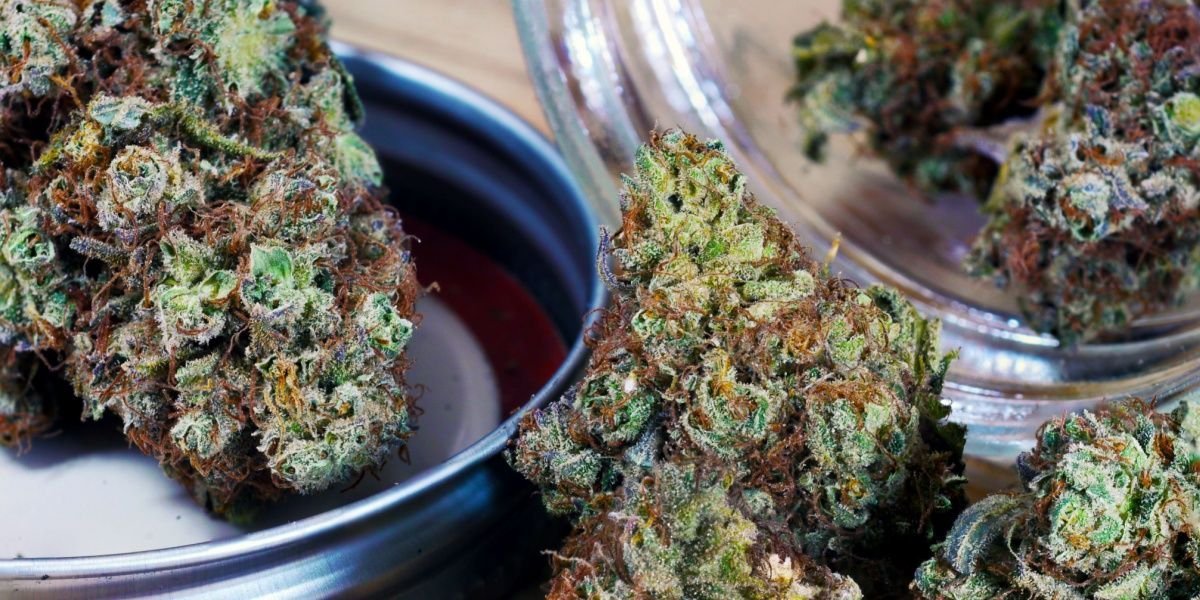
In the silent, frost-rimmed laboratories of 2026, there exists a substance that is both a beginning and an end. To the naked eye, it appears as a cluster of translucent shards—miniature mountains of crystalline purity. In the industry, we call them 'Liquid Diamonds.' But to a pharmacologist, they represent one of the most elegant examples of molecular potential in the natural world: THCA.
We often speak of 'THC' as a singular entity, a monolithic molecule responsible for the euphoria and relief sought by millions. But the plant does not create THC. It creates an ancestor. It creates a ghost that haunts the trichome, waiting for a catalyst to breathe life into its psychoactive form. This is the story of the transition from Tetrahydrocannabinolic Acid (THCA) to Delta-9-Tetrahydrocannabinol (THC)—a dance of carbon, oxygen, and heat that defines the very limits of the human experience.
Section 1: The Architecture of THCA—The Locked Key
At its core, THCA is a bulky, 22-carbon molecule. Its structure is almost identical to Delta-9 THC, save for one crucial addition: a carboxyl group (COOH). This tiny appendage, this 'acidic tail,' is the lock on the door. Because of this extra weight, the THCA molecule is physically too large to fit into the orthosteric binding site of the CB1 receptors in the human brain. It is like a key with an extra tooth; it may touch the lock, but it cannot turn it.
However, to dismiss THCA as 'inactive' is the greatest mistake of the legacy cannabis era. In 2026, we have discovered that while THCA may not trigger euphoria, it interacts profoundly with the body’s peripheral systems. It targets the PPARγ (Peroxisome Proliferator-Activated Receptor gamma), acting as a potent neuroprotective agent. It is a molecule of clinical silence, working in the shadows of the nervous system to reduce inflammation without disturbing the clarity of the mind.
Section 2: The Decarboxylation Event—The Molecular Alchemy
How, then, does a diamond melt? How does the raw, acidic crystal become the legendary Delta-9 THC? The answer is a process known as Decarboxylation. It is a moment of chemical violence where heat acts as a molecular pair of scissors, snipping the carboxyl group away from the THCA chain. As the carbon dioxide is released (literally bubbling out of the extract), the molecule sheds its acidic tail and transforms. It becomes lighter. It becomes nimble. It becomes Delta-9 THC.
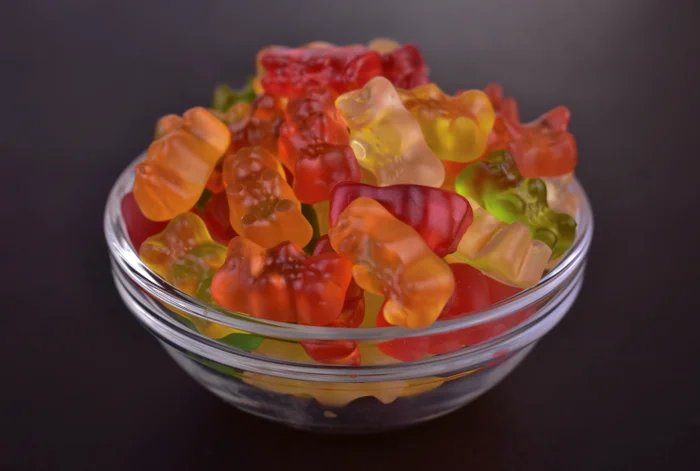
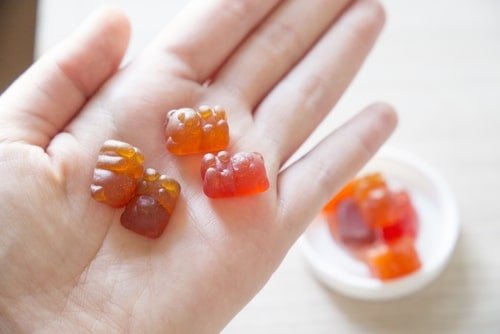
In the context of our gummiesaus.com 'Liquid Diamond' infusions, this process is controlled with surgical precision. We do not merely 'cook' the extract; we manage the kinetic energy of the molecules. If the temperature is too low, the conversion is incomplete. If it is too high, the Delta-9 begins to degrade into CBN (Cannabinol), losing its potency and becoming sedative. The 2026 standard requires a perfect 'Plateau of Activation,' ensuring that every milligram is primed for maximum binding affinity.
Section 3: Liquid Diamonds—The Peak of Extraction Technology
To create a 'Liquid Diamond' gummy, one must first master the art of crystal crashing. This is the HCFSE (High Cannabinoid Full Spectrum Extract) process. By subjecting live-resin hemp extract to extreme pressure and low temperatures over several weeks, the THCA molecules begin to find each other. They bond, forming lattice structures—diamonds. The remaining liquid, rich in terpenes, is separated, and what remains is the purest form of THCA on the planet.
In 2026, the innovation lies in the re-integration. We melt these diamonds back into a carrier oil and re-introduce the 'Live' terpenes. The result is a gummy that offers a level of pharmacological cleanliness that was impossible five years ago. There are no residual solvents, no chlorophyll, no waxes. Just the raw, activated power of the diamond.
Section 4: The Binding Affinity—Why Delta-9 Dominates
Once ingested and metabolized, Delta-9 THC becomes a master of the Endocannabinoid System. It possesses a high binding affinity for the CB1 receptors concentrated in the basal ganglia, hippocampus, and cerebellum. This is why the experience of Delta-9 is so 'total'—it affects movement, memory, and time perception simultaneously.
Furthermore, when consumed as an edible, Delta-9 undergoes a second transformation in the liver. It is converted into 11-Hydroxy-THC. This metabolite is even more potent than inhaled THC and crosses the blood-brain barrier with greater ease. This explains the 'Delayed Suspense' of the gummy: the molecules are quietly preparing a more profound physiological response as they pass through your digestive architecture.
Section 5: The Entourage Effect—Terpenes as the Orchestra
If Delta-9 THC is the lead singer, terpenes are the orchestra. In our Liquid Diamond blends, we do not settle for isolated cannabinoids. We utilize the Entourage Effect—a synergistic phenomenon where secondary compounds like Myrcene, Limonene, and Beta-Caryophyllene modulate the effects of the THC. Myrcene, for instance, is a known vasodilator that can increase the permeability of the blood-brain barrier, effectively 'opening the gate' for the Delta-9 to enter more rapidly.
Conclusion: The Future is Molecular
As we move further into 2026, the line between 'recreation' and 'medicine' continues to blur, replaced by a sophisticated understanding of Molecular Wellness. Whether you choose the raw, non-psychoactive neuroprotection of THCA or the activated, euphoric depth of Delta-9 Liquid Diamonds, you are participating in a chemical revolution. At GummiesAus.com, we aren't just selling edibles; we are providing the keys to the most complex lock in the human body.
Resources and Scientific References
1. Journal of Molecular Structure: Decarboxylation kinetics of THCA in high-pressure environments (2025).
2. National Institute of Health (NIH): The role of PPAR receptors in cannabinoid-mediated neuroprotection.
3. International Cannabinoid Research Society (ICRS): Comparative binding affinities of Delta-9 and 11-Hydroxy-THC.
4. British Journal of Pharmacology: The Entourage Effect and Terpene-Cannabinoid Synergies.
5. Phytochemistry Reviews: Crystal Crashing and the evolution of HCFSE extraction technology.